Pelvic Health
Pelvic Organ Prolapse: Symptoms, Stages & How PT Helps
April 15, 2024 7 min read
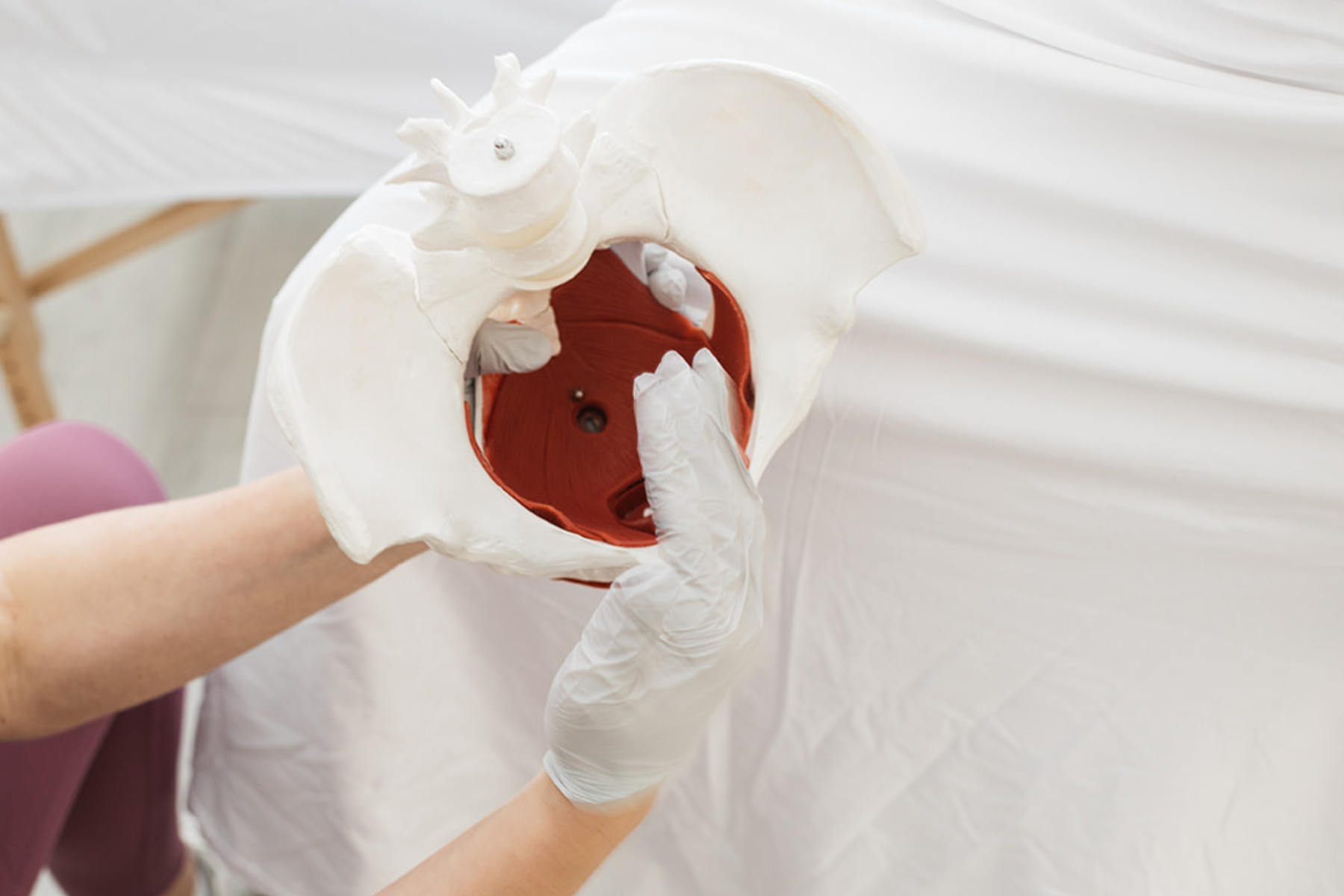
If you’ve ever felt a strange heaviness in your pelvis, a "stuck tampon" feeling when there isn't one, or a sense of pressure that gets worse as the day goes on, you know how unsettling it can be. You might worry that something is seriously wrong, or feel frustrated when you’re told it’s just a “normal” part of being a woman or getting older.
You’re not alone in feeling this way. That feeling of "something falling out" has a name: pelvic organ prolapse. And while it’s incredibly common—affecting up to 50% of women who have given birth—it’s not something you just have to live with.
So let’s take the mystery out of it. We're going to break down what pelvic organ prolapse actually is, why it happens, and most importantly, what you can do about it.
Your pelvic floor is a group of muscles that acts like a supportive hammock, holding up your pelvic organs: the bladder, uterus, and rectum. Pelvic organ prolapse occurs when that support system weakens or is damaged, causing one or more of those organs to descend or bulge into the vaginal canal.
Think of it this way: your organs are meant to be held snugly in place. When the muscles and connective tissues of the pelvic floor become stretched, too tight, or uncoordinated, that support hammock can sag.
There are a few different types of prolapse, named for the organ that is descending:
It's possible to have more than one type at the same time. But the name isn't as important as how it feels to you and how it impacts your daily life.
The diagnosis of pelvic organ prolapse is anatomical, but your experience of it is all about the symptoms. You might feel a lot, a little, or your symptoms might change from day to day. It often depends on your activity level, time of day, or even where you are in your menstrual cycle.
Common signs and symptoms include:
For many, these symptoms are mild in the morning and get progressively worse throughout the day as gravity and activity take their toll.
If you have prolapse, you did not do anything wrong. It's not a personal failure or a sign of weakness. Prolapse is almost always caused by factors that put excessive downward pressure on the pelvic floor over time.
The biggest risk factors include:
Notice what’s not on that list? Not doing enough Kegels. While strength is part of the equation, it’s a much bigger picture than that. In fact, for some people, the pelvic floor is too tight, and doing more Kegels can actually make symptoms worse.
When a doctor diagnoses pelvic organ prolapse, they will often assign it a "grade" or "stage" from 1 to 4 to describe its anatomical severity.
Here’s the thing we see all the time at Revelle: the stage of your prolapse does not always match the severity of your symptoms. We’ve had clients with a Stage 1 prolapse who are incredibly bothered by their symptoms, and others with a Stage 2 or 3 who barely notice it.
Research backs this up. A 2018 study in the International Urogynecology Journal found that the anatomical stage doesn't always correlate with what a person is feeling. That’s why we focus on treating you and your specific symptoms, not a number on a piece of paper. Your experience is what matters.
For years, many people were told surgery was their only option. But that thinking is outdated. Today, pelvic floor physical therapy is recommended as the first-line, conservative treatment for pelvic organ prolapse. Studies consistently show that it can significantly reduce symptoms, improve quality of life, and in some cases, even improve the anatomical position of the prolapse.
A pelvic floor PT doesn’t just tell you to do Kegels. We take a whole-body approach to restore function and get you back to feeling like yourself.
Here’s what you can expect:
Dealing with prolapse symptoms can be confusing and isolating. Not sure if what you're feeling is prolapse or something else? You can take our 2-minute quiz to find out where to start.
The bottom line is simple: you shouldn't have to plan your life around pelvic pressure, heaviness, or leaking. If any of the symptoms we've discussed are getting in the way of you living your life, it's time to see a specialist.
It's never too early or too late. We see people who want to be proactive during pregnancy, new moms who just feel "off," and women decades postpartum who have been told this is just their new normal. It isn't.
Our teams of expert physical therapists in Atlanta, Alpharetta, and Denver are here to listen, give you answers, and create a plan that helps you feel strong and confident in your body again. If you're ready to stop worrying and start feeling better, you can schedule a visit with one of our doctors of physical therapy.
Start with a free 10–15 minute phone consult, or book a 1:1 visit at Revelle — Atlanta (Chamblee + Alpharetta) or Denver.
Visit us in Atlanta (Chamblee), Alpharetta, or Denver.
A 1-page guide from our DPTs — what to actually expect at week 1, 6, and 12 postpartum, and the real signs you'd benefit from pelvic floor PT. No fluff. No fear.
If your last pelvic floor PT in Atlanta involved 15 minutes with a tech and a stack of resistance bands, that is not what the research says works. Here is what a 60-minute 1:1 session actually looks like — and why it matters for results.
Read LocalYou are leaking, or feeling pressure, or hurting — and Denver has both urogynecologists and pelvic floor PTs. Here is how to decide who to see first, and how the two actually work together.
Read